How to Choose Your First Cryptocurrency Wallet Safely: A Practical Guide for Beginners in the United States
The landscape of cryptocurrency is as exciting as it is complex. When I first started teaching crypto and DeFi to beginners, it became clear that the right wallet choice is often the most overlooked step—and the most critical. This guide distills what I’ve learned from guiding over 500 students and professionals through this process. Consider this your definitive, practical resource for choosing your first crypto wallet safely and confidently.
Why This Guide Exists
Public frustration with crypto scams, recent regulatory concerns, and the sheer number of wallet options have created a perfect storm of confusion. Many beginners hold assets across multiple wallets, exposing themselves to unnecessary risks. What’s interesting is how often people start with the wrong kind of wallet, develop poor security habits, or choose wallets that don’t align with their goals. This guide is designed to cut through that noise and give you a clear, actionable path. For more details, see our guide on How to start using DeFi protocols without losing money?.
The reality is that most crypto losses aren’t due to sophisticated hacks or technical failures—they’re due to preventable mistakes that proper wallet selection could have avoided. According to blockchain security firm Chainalysis, individual users lost over $1.8 billion to crypto scams in 2022, with the majority of losses stemming from poor security practices rather than platform vulnerabilities. For more details, see our guide on The 11 Essential Blockchain Tips That Actually Work for Crypto Beginners [2025].
What Makes This Guide Different
This isn’t another “best of” list or marketing blog. It’s a practical, experience-based approach that balances technical understanding with real-world security considerations. The pattern I’ve seen across successful crypto beginners is a thoughtful approach that carefully matches their goals, risk tolerance, and technical comfort level. This guide helps you make that match confidently. For more details, see our guide on 13 Game-Changing Tips (2025): How Cryptocurrency Transactions REALLY Work.
Here’s what most people don’t realize: the “best” wallet isn’t universal. It’s the one that fits your specific situation, technical comfort level, and long-term goals. I’ve watched too many beginners choose wallets based on flashy marketing or recommendations that didn’t match their actual needs, only to struggle with security issues or functionality gaps later.
The Foundation: Understanding Wallet Types
Before diving into selection criteria, it’s crucial to understand the three main types of crypto wallets—each with its strengths and risks. This foundation will inform every decision you make.
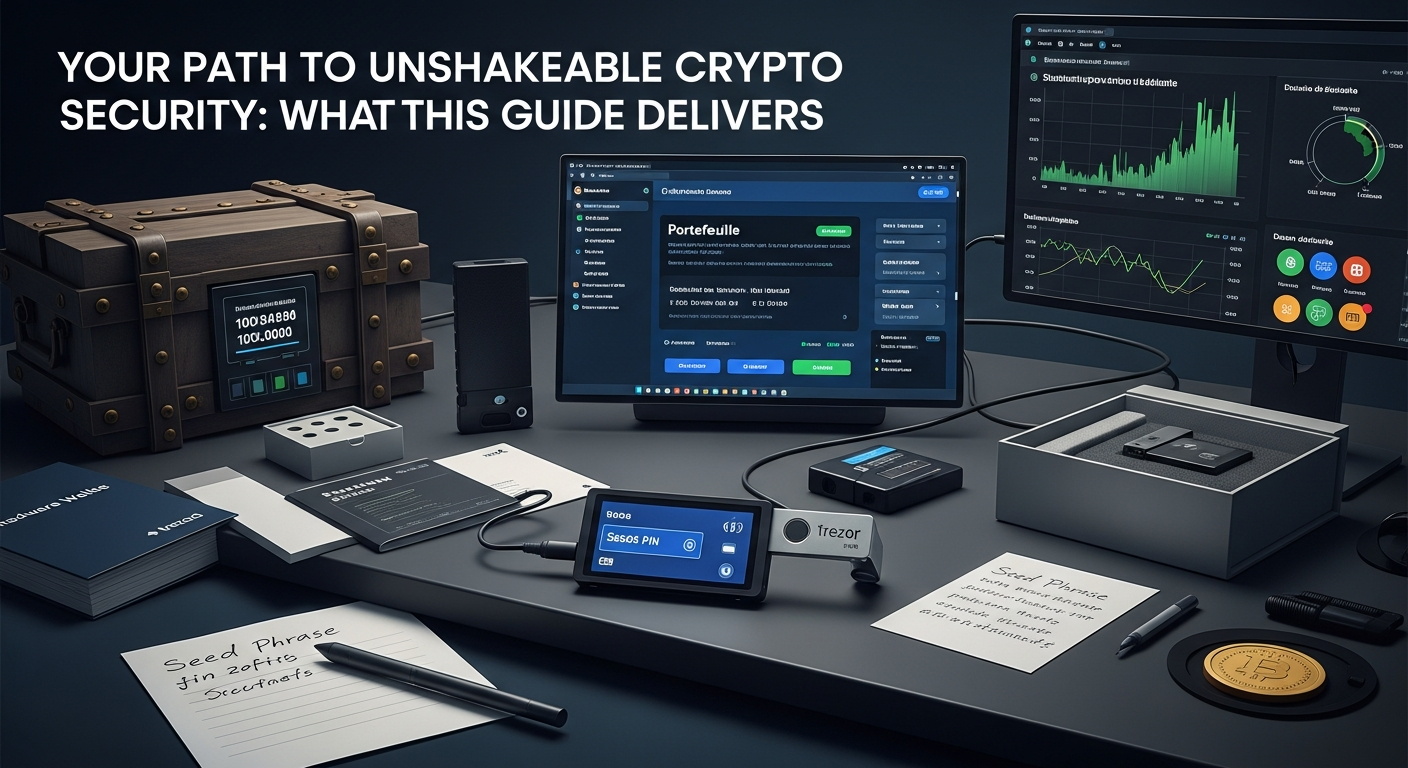
Hardware Wallets: These are physical devices like Ledger Nano S/X or Trezor. Think of them as digital safes. They store your private keys offline, making them immune to online hacks. They are perfect for securing significant holdings and long-term storage. The tradeoff is cost and convenience; they require physical access to sign transactions. What makes hardware wallets particularly effective is their use of secure elements—specialized chips designed to resist physical tampering and side-channel attacks.
Software Wallets: These run on your computer or smartphone. Examples include MetaMask, Exodus, and Trust Wallet. They are convenient for daily transactions but are more vulnerable to malware and phishing attacks. Use them for smaller, more active holdings. The key advantage here is seamless integration with decentralized applications (dApps) and the ability to interact with DeFi protocols directly from your mobile device.
Custodial Wallets: These are managed by third parties like Coinbase, Kraken, or Binance.US. They are the easiest to use and recover but mean trusting someone else’s security practices. Consider them for ease of access and trading but avoid storing large sums on these platforms. The trade-off is clear: convenience for control. When you use a custodial wallet, you’re essentially letting someone else hold your keys—which means you’re trusting their security infrastructure entirely.
What research shows: Industry analysis consistently reveals that the majority of beginner losses are due to poor key management and falling for phishing scams, not technical failures. It’s less about the wallet and more about how you use it.
The Crucial Question: What’s Your Goal?
Clarity on your primary goal—whether it’s long-term value storage, active trading, or interacting with a specific project—fundamentally shapes your wallet choice. This isn’t a marketing question; it’s about protecting your financial future.
Long-Term Storage and Security: If your goal is to hold Bitcoin or Ethereum for 2+ years, prioritize security over convenience. Hardware wallets paired with a strong seed phrase and multi-factor authentication offer peace of mind. Think of this as your crypto savings account—you want maximum security even if it means less convenience for daily access.
Active Trading and DeFi: If you’re frequently swapping tokens, yield farming, or using decentralized applications, software wallets with integrated DeFi support offer the best experience. Ensure the wallet supports the tokens you want to trade. The key here is finding wallets that can handle complex smart contract interactions while maintaining reasonable gas fee management.
Specific Projects: If you want to interact with a particular dApp or NFT platform, choose a wallet that offers native support for that ecosystem. MetaMask, for example, is practically essential for Ethereum-based projects. Some newer wallets like Phantom have become the go-to choice for Solana ecosystem interactions.
What I’ve learned from teaching this to 500+ professionals is that matching your wallet to your goals is the single most effective way to avoid costly mistakes. Here’s the thing, though: Don’t be afraid to reassess as your goals evolve. Many successful crypto users start with one approach and gradually develop a multi-wallet strategy as their needs become more sophisticated.
Regulatory Climate and Compliance in the United States
Understanding the regulatory environment is critical, especially in the U.S., where FinCEN guidance, IRS treatment, and SEC considerations can impact your crypto activities. The regulatory landscape has evolved significantly, particularly following the collapse of FTX and increased scrutiny from federal agencies.
FinCEN Guidance: Cryptocurrency exchanges and wallets often operate as money transmitters under FinCEN rules. This means collecting your name, address, and TIN for transactions over $1,000. Choose platforms that comply with these requirements. The Bank Secrecy Act requires these platforms to implement anti-money laundering (AML) programs and report suspicious activities.
IRS Treatment: The IRS treats crypto as property, not currency. This means you’ll need to track cost basis and report capital gains on every transaction—even crypto-to-crypto swaps. Software wallets often integrate with tax software like CoinTracker or Koinly to simplify this process. The IRS has been increasingly aggressive about crypto tax compliance, sending thousands of warning letters to taxpayers who may have underreported crypto gains.
SEC Considerations: Be aware of investment-specific regulations. If you’re dealing with tokens that might be classified as securities, understand the potential implications. The SEC’s approach to crypto regulation has been enforcement-heavy, with Chairman Gary Gensler maintaining that most cryptocurrencies (except Bitcoin) likely qualify as securities.
State-Level Regulations: Don’t overlook state requirements. New York’s BitLicense, for example, significantly restricts which crypto services can operate in the state. Some wallets and exchanges simply don’t serve New York residents due to regulatory complexity.
Key Features and Security Practices: What Matters Most
Selecting the right wallet is about matching features to your needs and understanding the security practices that protect your assets. Security isn’t just about the technology—it’s about developing habits that protect you from the most common attack vectors.
Private Key Control: Always maintain control of your private keys. Hardware wallets generate and store private keys offline, while software wallets may store them on your device. Never share your seed phrase. The fundamental principle of crypto is “not your keys, not your coins.” This isn’t just a catchy phrase—it’s a security imperative that has saved countless users from exchange collapses and exit scams.
Recovery Options: Choose wallets with robust recovery options. Hardware wallets typically generate a 12 or 24-word seed phrase using the BIP39 standard. Software wallets may offer multi-device sync or cloud backup options, though these introduce additional security considerations. Avoid platforms that lock you out without access to your private keys.
Transaction Security: Enable multi-factor authentication (MFA) for exchanges and custodial wallets. Use hardware wallets for large transactions and verify transaction details on the device screen. The device screen verification is crucial—it’s your last line of defense against malware that might alter transaction details on your computer.
Backup and Recovery: Store seed phrases securely offline—consider a safety deposit box or fireproof safe. Test recovery procedures periodically with small amounts before transferring significant funds. Many users discover their backup strategy is flawed only when they need it most. Consider using steel backup plates like Cryptosteel or Billfodl for fire and flood resistance.
Security Hygiene: Keep firmware and software up to date. Use strong, unique passwords managed by a password manager like Bitwarden or 1Password. Beware of phishing links and suspicious emails. Never share seed phrases or private keys. Enable automatic updates where possible, but always verify the authenticity of update notifications.
Advanced Security Measures: For larger holdings, consider multi-signature setups that require multiple keys to authorize transactions. Some users implement a “decoy wallet” strategy, keeping small amounts in easily accessible wallets while securing larger holdings in more complex setups.
Cost Considerations: What’s Your Budget?
Understanding the full cost of your wallet options helps you make a sustainable choice. The cheapest option upfront isn’t always the most economical in the long run.
Hardware Costs: Hardware wallets typically range from $1 to $1. Consider this an investment in security rather than an expense. The Ledger Nano S Plus starts around $1, while the more feature-rich Ledger Nano X costs about $1. Trezor devices fall in a similar price range. Factor in the cost of backup materials—steel backup plates add another $1-50 to your setup cost.
Transaction Fees: Some wallets charge fee optimization services or transaction fees. Choose wallets that allow fee customization. Network fees (gas fees on Ethereum, for example) are separate from wallet fees and can vary dramatically based on network congestion. During peak times, Ethereum transaction fees can exceed $1, while during quiet periods they might be under $1.
Subscription Fees: Custodial platforms often charge trading fees and withdrawal fees. Coinbase Pro charges 0.5% for taker orders, while Binance.US charges 0.1%. Compare fee structures across platforms to avoid surprises. Some platforms offer fee discounts for holding their native tokens or maintaining higher account balances.
Software Wallets: Usually free but may require purchase of hardware wallets or transaction fees on exchanges. The “free” nature of software wallets can be misleading—you’re often paying through data collection, integrated exchange markups, or premium feature subscriptions.
Hidden Costs: Don’t forget about the cost of proper security infrastructure. A good password manager runs $1-60 annually. A safety deposit box for seed phrase storage costs $1-200 per year depending on location and size.
Step-by-Step: How to Choose Your First Wallet Safely
Here’s a streamlined process to guide your decision. This framework has helped hundreds of my students make confident, secure choices.
1. Define Your Goals Clearly
Security-focused long-term storage, active trading, or project-specific interaction. Key Insight: This defines your entire strategy.
Try this: Write down your primary crypto goal in one sentence. Are you building a long-term investment portfolio, actively trading for profit, or exploring DeFi protocols? Your answer determines everything else. Most successful beginners start with a clear, simple goal and expand from there.
2. Assess Your Technical Comfort Honestly
Comfortable with seed phrases and MFA? Prefer simple interfaces? This impacts hardware vs. software. Takeaway: Be honest with yourself!
Here’s what most people don’t realize: Your technical comfort level today matters less than your willingness to learn. The crypto space rewards those who invest time in understanding security fundamentals. If you’re not comfortable with technical concepts now, choose simpler solutions initially but commit to expanding your knowledge.
3. Match Wallet Types Using the 3-Tier System
Hardware for security, software for convenience, custodial for ease of use. Framework: The 3-Tier Wallet System.
The 3-Tier Wallet System I recommend:
- Tier 1 (Cold Storage): Hardware wallet for 70-80% of holdings
- Tier 2 (Hot Wallet): Software wallet for 15-25% of holdings and daily transactions
- Tier 3 (Exchange): Custodial wallet for 5-10% of holdings and active trading
This distribution balances security with functionality and has proven effective across different user profiles.
4. Verify Ecosystem Support
Ensure the wallet supports your preferred tokens and platforms. Check for native support of the blockchains you plan to use—Ethereum, Bitcoin, Solana, etc. Some wallets excel at Bitcoin storage but have limited altcoin support, while others specialize in Ethereum and ERC-20 tokens but don’t support Bitcoin natively.
5. Evaluate Security Features Thoroughly
MFA, seed phrase recovery, transaction verification, and update frequency. Look for wallets that have undergone third-party security audits. Check the company’s track record for handling security incidents and their transparency about vulnerabilities.
6. Calculate Total Cost of Ownership
Hardware costs, fees, and ongoing platform charges. Include the cost of proper backup materials, potential subscription fees, and transaction costs. A $1 hardware wallet might cost $1 total when you factor in backup materials and setup accessories.
7. Test and Learn with Small Amounts
Use small amounts to test your setup and learn recovery procedures. Start with $1-20 worth of crypto to test your entire workflow: receiving, storing, backing up, and recovering. Only scale up after you’re completely comfortable with the process.
What I’ve learned from teaching this to 500+ professionals is that a structured approach consistently leads to better security outcomes. The users who skip steps or rush the process are the ones who encounter problems later.
Advanced Insights and Pro Tips
Deepen your understanding and optimize your setup with these insights that separate successful crypto users from the rest.
Multi-Device Strategy: Use hardware wallets for significant holdings and a software wallet on a secure, dedicated device for daily transactions. Consider keeping an old smartphone exclusively for crypto activities—wipe it clean, install only essential apps, and use it as a dedicated crypto device.
Hardware Wallet Segmentation: Consider separate hardware wallets for different asset classes (e.g., Bitcoin, Ethereum, DeFi tokens) to contain risk. This approach, sometimes called “compartmentalization,” ensures that a compromise in one area doesn’t affect your entire portfolio.
Cold Storage Solutions: For ultra-high-net-worth individuals, consider multi-signature setups with multiple hardware wallets in separate geographic locations. Some users implement a 2-of-3 multisig setup with devices stored in different states or countries.
DeFi Compatibility: For DeFi activities, choose wallets with integrated DApp browsers and support for gas token management. Look for features like transaction simulation (showing you the expected outcome before signing) and gas fee optimization.
Development Wallets: For advanced users, maintain a separate wallet with minimal funds for testing new protocols or smart contract interactions. Never test unverified smart contracts with wallets containing significant funds.
Geographic Considerations: If you travel internationally, understand how different countries regulate crypto. Some wallets and services are geo-blocked in certain regions. Consider how you’ll access your funds while traveling.
Proven Patterns for Success
The most successful beginners follow these patterns consistently, and the data backs up their effectiveness:
Long-Term Security Focus: Hardware wallets, seed phrase backups, and MFA are non-negotiable. Users who implement proper security from day one have significantly lower loss rates than those who upgrade their security after accumulating larger holdings.
Education and Testing: Test recovery procedures with small amounts before transferring significant funds. The most successful users I’ve worked with spend 2-3 weeks learning and testing before moving substantial amounts to their chosen wallet.
Continuous Monitoring: Keep software up to date and monitor for security alerts. Subscribe to security newsletters from your wallet providers and follow reputable crypto security researchers on social media.
Practical Budgeting: Allocate budget for security tools before trading volume. Successful users typically spend 1-3% of their crypto holdings on security infrastructure and tools.
Community Learning: Join reputable crypto communities for ongoing education and support. Reddit communities like r/Bitcoin and r/ethereum, while requiring careful filtering, provide valuable real-world insights from experienced users.
Documentation: Maintain detailed records of your setup, including wallet addresses, purchase dates, and security procedures. This documentation proves invaluable for tax purposes and recovery scenarios.
Avoid These Common Pitfalls
Learn from the pitfalls that trip up many beginners—these mistakes account for the majority of preventable losses:
Rushing the Setup: Take your time to understand and test recovery procedures. The most expensive crypto mistakes happen when users rush through security setup. Plan to spend at least a week properly configuring and testing your wallet setup.
Ignoring Ecosystem Support: Ensure your wallet supports all the tokens and platforms you plan to use. Nothing is more frustrating than discovering your wallet doesn’t support a token you want to buy, forcing you to use multiple wallets or make unnecessary transfers.
Neglecting Backup and Recovery: Never store seed phrases online or in insecure locations. This includes photos on your phone, notes apps, or cloud storage. Physical, offline storage is the only secure approach for seed phrases.
Overlooking Fees and Costs: Understand transaction and withdrawal fees to avoid surprises. Some users have paid $1+ in fees to move $1 worth of tokens during network congestion periods. Always check current network fees before initiating transactions.
Trusting Unverified Platforms: Stick to well-known, regulated exchanges and wallets. The crypto space is filled with sophisticated scams that mimic legitimate services. When in doubt, verify through official channels and trusted community sources.
Mixing Personal and Business Use: If you’re using crypto for business purposes, maintain separate wallets and detailed records from the start. Retroactively separating personal and business transactions for tax purposes is extremely difficult.
Ignoring Tax Implications: Every crypto transaction is a taxable event in the US. Failing to track transactions from the beginning creates massive headaches during tax season. Use integrated tax tracking tools or maintain detailed records manually.
Frequently Asked Questions
Question 1: What’s the safest way to store my seed phrase in the United States?
The safest approach involves multiple layers of physical security and redundancy. Use a steel backup solution like Cryptosteel or Billfodl to inscribe your seed phrase on durable metal plates that can withstand fire, flood, and corrosion. Store these in a fire-resistant, waterproof safe in a secure location.
For additional security, consider implementing Shamir’s Secret Sharing, a cryptographic technique that splits your seed phrase into multiple parts. You can reconstruct the original seed phrase with a subset of the parts (for example, any 2 of 3 parts), providing redundancy while maintaining security. This approach protects against both loss and theft.
Never store seed phrases digitally—not in password managers, encrypted files, or cloud storage. The physical approach eliminates digital attack vectors entirely. Some users maintain multiple copies in separate geographic locations, such as a home safe and a safety deposit box.
Consider the legal implications as well. In the US, safety deposit boxes can be subject to court orders or government seizure in extreme circumstances. Some users prefer private vault services or distribute copies among trusted family members using the secret sharing approach.
Question 2: How do I choose between a hardware wallet and a software wallet for my first crypto holdings?
Base your choice on your primary goal and risk tolerance:
Hardware Wallets: Best for securing large sums for the long term. They generate and store private keys offline using secure elements—specialized chips designed to resist physical tampering. Expect a cost of $1–$1 and some learning curve. Ideal if you want maximum security for significant holdings and are willing to learn basic security practices.
The key advantage is air-gapped security—your private keys never touch an internet-connected device. Even if your computer is compromised by malware, your hardware wallet remains secure. The tradeoff is convenience; you need physical access to the device to sign transactions.
Software Wallets: Ideal for smaller, more active holdings or DeFi activities. They offer seamless integration with decentralized applications and the convenience of mobile access. Choose wallets with strong security features like biometric authentication, transaction simulation, and automatic security updates.
The main risk is that your private keys are stored on an internet-connected device, making them vulnerable to malware, phishing attacks, and device theft. However, modern software wallets implement multiple security layers, including secure enclaves on mobile devices and encrypted local storage.
Pro Tip: Many successful users start with a software wallet to learn the basics, then graduate to a hardware wallet as their holdings grow. The learning curve is gentler, and you can develop good security habits before handling larger amounts.
Question 3: What red flags indicate a potentially dangerous crypto wallet in the United States?
Unverifiable or Vague Ownership: Legitimate wallet providers have clear company information, physical addresses, and identifiable leadership teams. Be wary of wallets with anonymous teams or vague corporate structures, especially for custodial services.
No Support for Basic Security Features: Any wallet lacking multi-factor authentication, seed phrase backup, or recovery options should be avoided. Modern wallets should support industry standards like BIP39 for seed phrase generation and BIP44 for key derivation.
Hidden Fees or Unclear Cost Structure: Legitimate services are transparent about their fee structures. Be suspicious of wallets that don’t clearly explain how they make money or that introduce unexpected fees after setup.
Negative Community Feedback: Consistent reports of security issues, poor customer support, or withdrawal problems across multiple platforms (Reddit, Trustpilot, social media) are serious red flags. Look for patterns rather than isolated complaints.
Unusual Transaction Requirements: Be wary of wallets requesting excessive personal information, requiring minimum deposits, or implementing unusual verification steps that don’t align with standard KYC/AML practices.
Unregulated or Unlicensed Platforms: In the US, legitimate custodial services should be registered with FinCEN as money transmitters and comply with state licensing requirements. Check the FinCEN database to verify registration status.
Pressure Tactics: Legitimate wallet providers don’t use high-pressure sales tactics, create artificial urgency, or promise unrealistic returns. These are classic signs of scams.
Question 4: How often should I review and update my crypto wallet security practices as a beginner?
Conduct a comprehensive security review every 3–6 months, with ongoing monitoring for critical updates:
Monthly Quick Checks:
- Review account activity and transaction history
- Verify that automatic updates are functioning
- Check for any unusual login attempts or security alerts
- Ensure backup materials remain secure and accessible
Quarterly Comprehensive Reviews:
- Update passwords using a password manager
- Review and test multi-factor authentication settings
- Verify firmware and software are current
- Test recovery procedures with small amounts
- Reassess your wallet choice based on changing needs
Annual Deep Audits:
- Complete recovery test using backup materials
- Review and update emergency access procedures
- Evaluate new security technologies and best practices
- Consider whether your current setup still matches your goals
- Update legal documentation (wills, trusts) to include crypto assets
Immediate Action Items:
- Apply security updates as soon as they’re available
- Change passwords immediately if you suspect compromise
- Monitor crypto security news for emerging threats
- Update procedures when you learn about new attack vectors
The crypto security landscape evolves rapidly. What’s considered best practice today may be inadequate tomorrow. Stay connected with reputable security researchers and wallet providers for the latest guidance.
Question 5: What are the best practices for transitioning from a custodial wallet to a hardware wallet in the United States?
Follow this systematic approach to ensure a secure transition:
Research and Purchase Phase:
- Choose a reputable hardware wallet brand (Ledger, Trezor, or other established manufacturers)
- Purchase directly from the manufacturer or authorized retailers to avoid tampering
- Verify the device’s authenticity using manufacturer-provided methods
- Budget $1–$1 for the device plus backup materials
Setup Phase:
- Complete initial setup on a secure, preferably air-gapped computer
- Generate your seed phrase using the device’s true random number generator
- Write down your seed phrase on paper first, then transfer to steel backup materials
- Never store seed phrases digitally or take photos of them
- Test the device with a small transaction before proceeding
Migration Phase:
- Start with small test transactions ($1-20) to verify the setup works correctly
- Gradually transfer larger amounts, verifying each transaction
- Keep detailed records of all transfers for tax purposes
- Don’t rush—take time to verify each step
Security Implementation:
- Store your hardware wallet and seed phrase backup in separate, secure locations
- Consider a safety deposit box or fireproof safe for seed phrase storage
- Set up a PIN and passphrase if supported by your device
- Enable additional security features like anti-tampering detection
Ongoing Maintenance:
- Keep firmware updated through official channels only
- Periodically test recovery procedures with small amounts
- Monitor the manufacturer’s security advisories
- Plan for device replacement (hardware wallets don’t last forever)
Question 6: How do I manage transaction fees when choosing a wallet in the United States?
Effective fee management requires understanding both wallet features and network dynamics:
Choose Fee-Flexible Wallets:
- Select wallets that provide customizable fee settings (slow, standard, fast)
- Look for wallets with fee estimation algorithms that adapt to current network conditions
- Avoid wallets that only offer fixed fee structures
Understand Network Fee Dynamics:
- Ethereum fees vary dramatically based on network congestion (from $1 to $1+ for simple transfers)
- Bitcoin fees are generally more predictable but still fluctuate with network usage
- Layer 2 solutions (Polygon, Arbitrum, Optimism) offer significantly lower fees for Ethereum-based transactions
Timing Strategies:
- Monitor network congestion using tools like ETH Gas Station or mempool.space
- Execute non-urgent transactions during low-activity periods (typically weekends)
- Batch multiple transactions when possible to amortize fees
Advanced Fee Management:
- Some wallets support Replace-by-Fee (RBF) for Bitcoin, allowing fee adjustments after sending
- Consider wallets that support multiple networks to avoid high-fee periods
- For DeFi activities, factor gas costs into your strategy—small transactions may not be economical during high-fee periods
Cost-Benefit Analysis:
- For small transactions, fees might represent 10-50% of the transaction value during peak times
- Consider whether the transaction is time-sensitive enough to justify high fees
- Sometimes waiting a few hours or days can save significant money
Question 7: How does the U.S. regulatory environment impact my choice of crypto wallet?
The regulatory landscape significantly influences wallet selection, particularly for US residents:
FinCEN Compliance:
- Choose wallets and exchanges registered with FinCEN as Money Service Businesses (MSBs)
- Understand that transactions over $1,000 trigger reporting requirements
- Be prepared to provide identification and source of funds documentation
- Maintain detailed records of all transactions for compliance purposes
Tax Implications:
- Select wallets that integrate with tax software (CoinTracker, Koinly, TaxBit)
- Understand that every crypto-to-crypto transaction is taxable
- Consider wallets that automatically track cost basis and generate tax reports
- Maintain detailed records from your first transaction—retroactive tax preparation is extremely difficult
State-Level Considerations:
- New York’s BitLicense restricts which services can operate in the state
- Some wallets and exchanges don’t serve residents of certain states
- Verify that your chosen wallet complies with your state’s regulations
- Consider how moving to a different state might affect your access to services
SEC Securities Regulations:
- Be aware that many tokens may be classified as securities
- Understand the implications of holding potentially regulated securities
- Consider how regulatory changes might affect token availability or wallet functionality
- Stay informed about enforcement actions that might impact your holdings
Future-Proofing:
- Choose established providers likely to adapt to changing regulations
- Avoid services that seem to be operating in regulatory gray areas
- Consider how proposed legislation might affect your wallet choice
- Maintain the ability to self-custody your assets regardless of regulatory changes
Understanding the regulatory landscape is crucial for making compliant and sustainable wallet choices that won’t leave you stranded if regulations change.
Question 8: How can I test my crypto wallet setup before transferring significant funds in the United States?
Implement a systematic testing approach that validates every aspect of your setup:
Initial Functionality Testing:
- Start with the smallest possible transaction (often $1-10 worth)
- Send from your exchange or current wallet to your new wallet
- Verify the transaction appears correctly in both wallets
- Check that the receiving address matches exactly what you intended
- Confirm the transaction on the blockchain explorer
Recovery Procedure Testing:
- Use testnet environments where available (Bitcoin testnet, Ethereum testnets)
- Practice the complete recovery process using your backup materials
- Simulate device loss by attempting recovery on a different device
- Time the recovery process to understand how long it takes
- Document any issues or confusion points in your procedures
Security Feature Validation:
- Test multi-factor authentication if applicable
- Verify that PIN/password requirements work as expected
- Confirm that transaction signing requires physical confirmation (for hardware wallets)
- Test any additional security features like passphrase protection
Incremental Value Testing:
- After successful small transactions, gradually increase amounts
- Test with $1, then $1, then larger amounts as confidence builds
- Verify that larger transactions don’t introduce unexpected issues
- Confirm that fee calculations remain reasonable at different transaction sizes
Documentation and Learning:
- Keep detailed notes of your testing process
- Document any issues encountered and how you resolved them
- Create a personal reference guide for future use
- Share lessons learned with trusted friends or family who might help in emergencies
Final Validation:
- Complete one full cycle: receive, store, backup, recover, and send
- Verify that you can access your funds from multiple devices if applicable
- Confirm that your backup strategy actually works under stress
- Only proceed with significant transfers after successful completion of all tests
Question 9: What role do community reviews and reputation play in choosing a crypto wallet in the United States?
Community feedback serves as a crucial validation layer, but it requires careful evaluation:
Reliable Review Sources:
- Reddit communities like r/Bitcoin, r/ethereum, and r/CryptoCurrency provide real user experiences
- GitHub repositories show development activity and issue resolution
- Professional review sites like CoinDesk, CoinTelegraph, and crypto-focused YouTube channels
- Trustpilot and similar platforms, though these can be manipulated
What to Look For:
- Consistent patterns across multiple platforms rather than isolated incidents
- Detailed technical discussions about security features and limitations
- Long-term user experiences (6+ months) rather than just initial impressions
- How the company responds to criticism and security issues
- Evidence of active development and regular updates
Red Flags in Reviews:
- Overwhelmingly positive reviews that lack specific details
- Sudden spikes in positive reviews (potential astroturfing)
- Complaints about withdrawal issues, poor customer support, or security breaches
- Reviews that focus on unrealistic profit promises rather than wallet functionality
- Lack of technical discussion about security features
Reputation Factors:
- Company history and leadership transparency
- Track record of handling security incidents
- Compliance with regulatory requirements
- Integration with other reputable services
- Recognition from industry organizations and security researchers
Due Diligence Process:
- Cross-reference reviews across multiple platforms
- Look for technical security audits by reputable firms
- Check the company’s response to past security issues
- Verify claims made in marketing materials against user experiences
- Consider the age and stability of the service
Remember that even well-reviewed services can have issues, and newer services might lack extensive review history despite being technically sound. Balance community feedback with your own technical evaluation and risk tolerance.
Question 10: What are the key differences between hot wallets and cold wallets in terms of security and convenience in the United States?
Understanding the hot/cold wallet distinction is fundamental to crypto security strategy:
Hot Wallets (Connected to Internet):
Security Characteristics:
- Private keys stored on internet-connected devices
- Vulnerable to malware, phishing attacks, and remote hacking
- Susceptible to SIM swapping attacks if using SMS-based 2FA
- Risk of loss if device is stolen or compromised
- Dependent on the security of the underlying operating system
Convenience Advantages:
- Instant access for transactions and DeFi interactions
- Seamless integration with decentralized applications
- Mobile accessibility for payments and transfers
- No need for additional hardware or physical access
- Automatic updates and feature additions
Best Use Cases:
- Daily transaction amounts you can afford to lose
- Active trading and DeFi participation
- Small amounts for learning and experimentation
- Situations requiring frequent, quick access
Cold Wallets (Offline Storage):
Security Characteristics:
- Private keys never touch internet-connected devices
- Immune to remote hacking and most malware attacks
- Physical security becomes the primary concern
- Requires physical access for any transactions
- Protected by secure elements in hardware devices
Convenience Limitations:
- Requires physical device access for every transaction
- Slower transaction process due to manual verification
- Limited integration with DeFi and dApps
- Higher upfront cost and learning curve
- Potential for physical loss or damage
Best Use Cases:
- Long-term storage of significant holdings
- “Savings account” approach to crypto investment
- Holdings you don’t need to access frequently
- Maximum security for retirement or inheritance planning
Hybrid Approach (Recommended):
Most successful crypto users implement a multi-wallet strategy:
- 80% in cold storage for long-term holdings
- 15% in hot wallets for active use and DeFi
- 5% on exchanges for trading and immediate liquidity
This approach balances security with functionality, ensuring that the majority of your holdings remain secure while maintaining the flexibility to participate in the broader crypto ecosystem.
US-Specific Considerations:
- Both hot and cold wallets must comply with US tax reporting requirements
- Cold storage doesn’t exempt you from reporting requirements—maintain detailed records
- Consider how your chosen approach affects estate planning and inheritance
- Understand that both approaches require compliance with anti-money laundering regulations for large transactions
The choice between hot and cold storage isn’t binary—it’s about finding the right balance for your specific situation, risk tolerance, and usage patterns.
Conclusion: Your Path to Safe Cryptocurrency Storage
Choosing your first crypto wallet safely is about understanding your goals, assessing your risk tolerance, and matching features to your needs. The best wallet for you is the one that provides the right balance of security, convenience, and ecosystem support for your specific use case.
The crypto landscape continues to evolve rapidly, with new security threats emerging alongside innovative solutions. What remains constant is the importance of fundamental security practices: controlling your private keys, maintaining secure backups, and staying educated about emerging risks and best practices.
Remember that wallet selection is just the beginning of your crypto security journey. The most successful crypto users view security as an ongoing process, not a one-time setup. They stay informed about new threats, regularly update their security practices, and adapt their strategies as their needs evolve.
Your first wallet choice establishes the foundation for your entire crypto experience. Take the time to make an informed decision based on your specific needs rather than following generic recommendations. The extra effort you invest in proper wallet selection and security setup will pay dividends in peace of mind and asset protection.
The cryptocurrency space rewards those who take security seriously from the start. By following the framework outlined in this guide, you’re positioning yourself among the users who successfully navigate the crypto landscape while avoiding the common pitfalls that trap many beginners.
Your next steps are clear: define your goals, assess your technical comfort level, and choose a wallet that matches your specific needs. Start small, test thoroughly, and scale up gradually as your confidence and knowledge grow. The crypto journey is marathon, not a sprint—build your foundation on solid security principles and enjoy the journey with confidence.
Most importantly, never stop learning. The crypto space evolves rapidly, and staying informed about new developments, security practices, and regulatory changes is essential for long-term success. Join reputable communities, follow trusted security researchers, and maintain a healthy skepticism about new developments until they’ve been thoroughly vetted by the community.